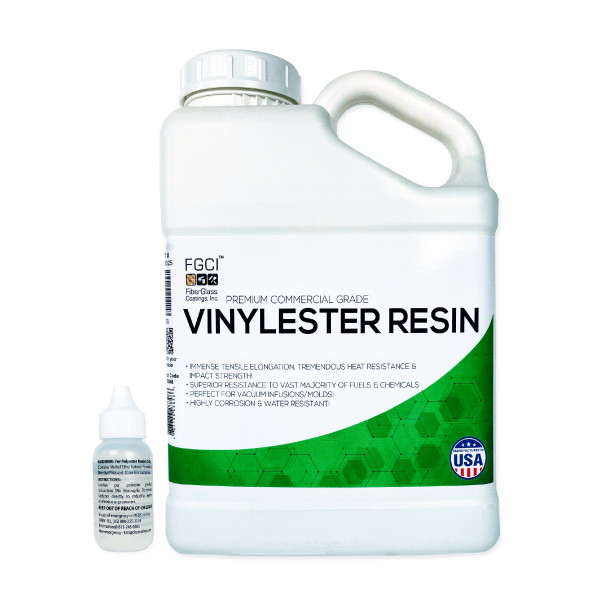
FGCI Vinyl Ester Marine Laminating Resin
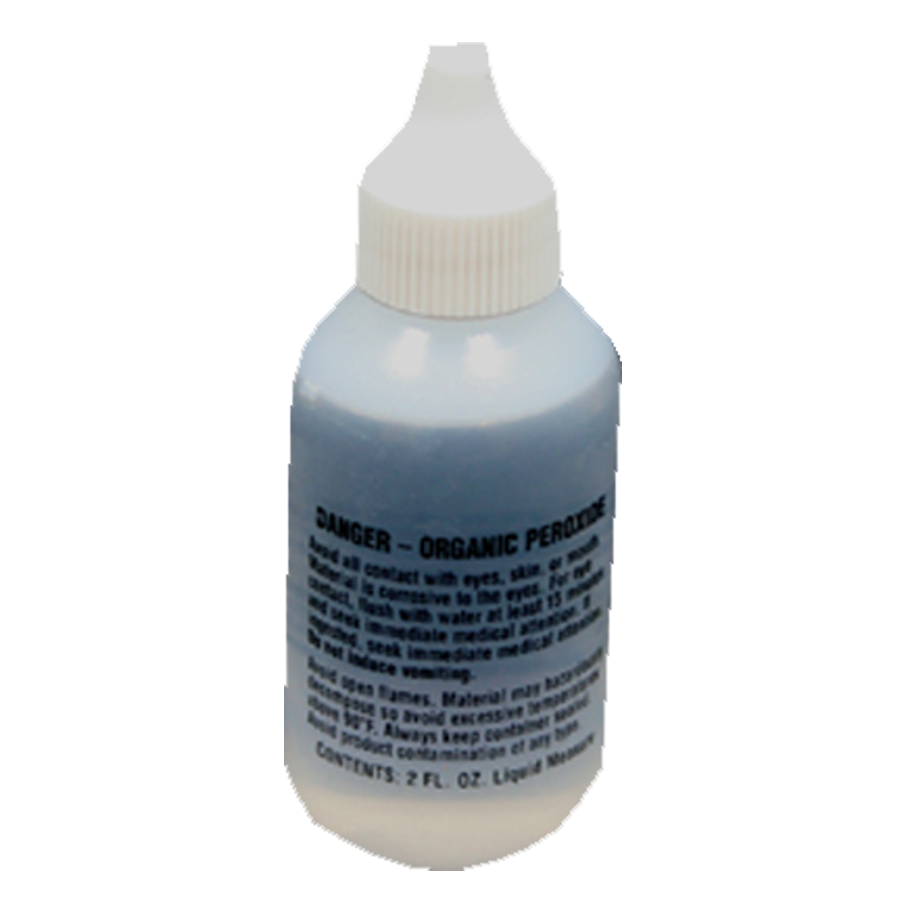
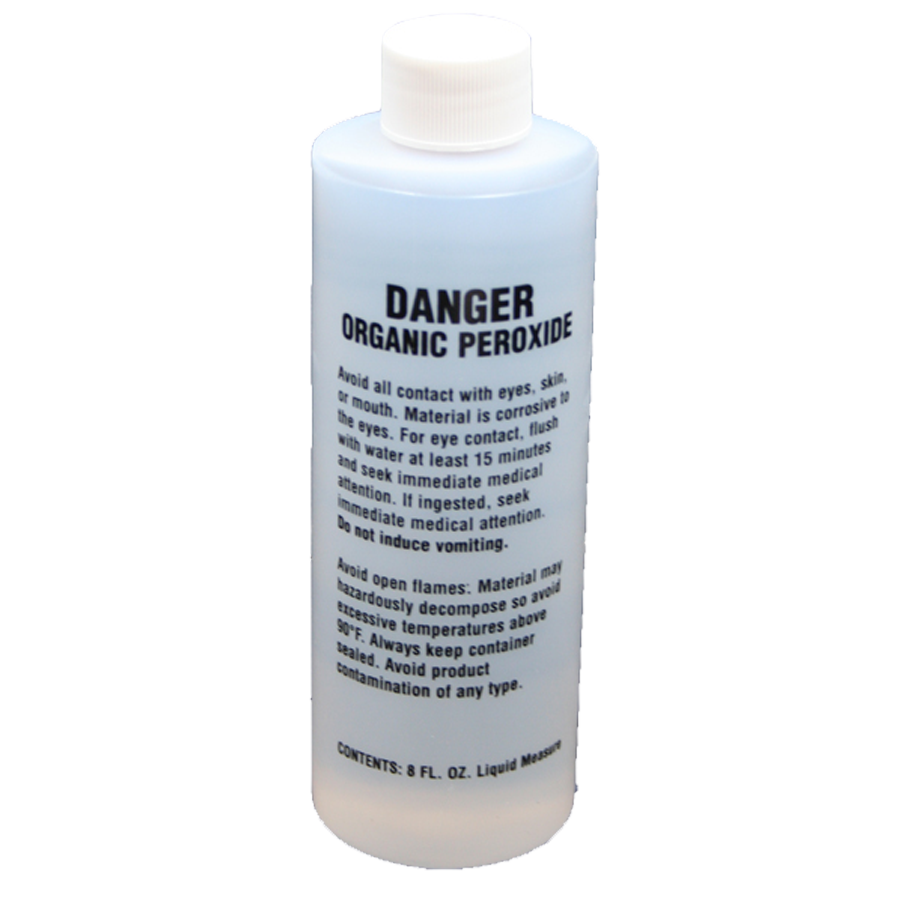
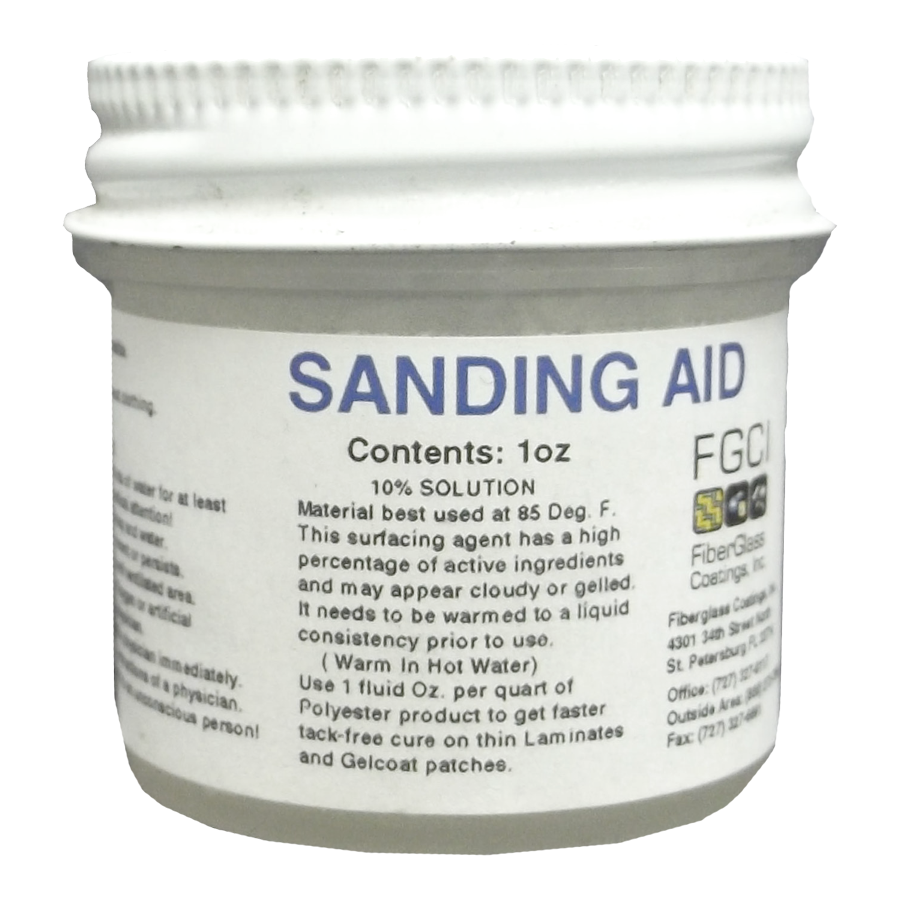
Required Catalysts, MEKP Initiators & Additives
Polyester and vinyl ester resins require MEKP catalyst to polymerize. For epoxy systems, use Part B Hardener.
Technical Marine Resin Selection Guide: When to use which resin?
Where to apply: Hull bottoms below the waterline, osmosis blister repairs, high-stress transom rebuilds, and structural stringers.
Key Advantage: 300% higher elongation than polyester. Zero saltwater permeation. Unmatched secondary bonding to cured boat hulls.
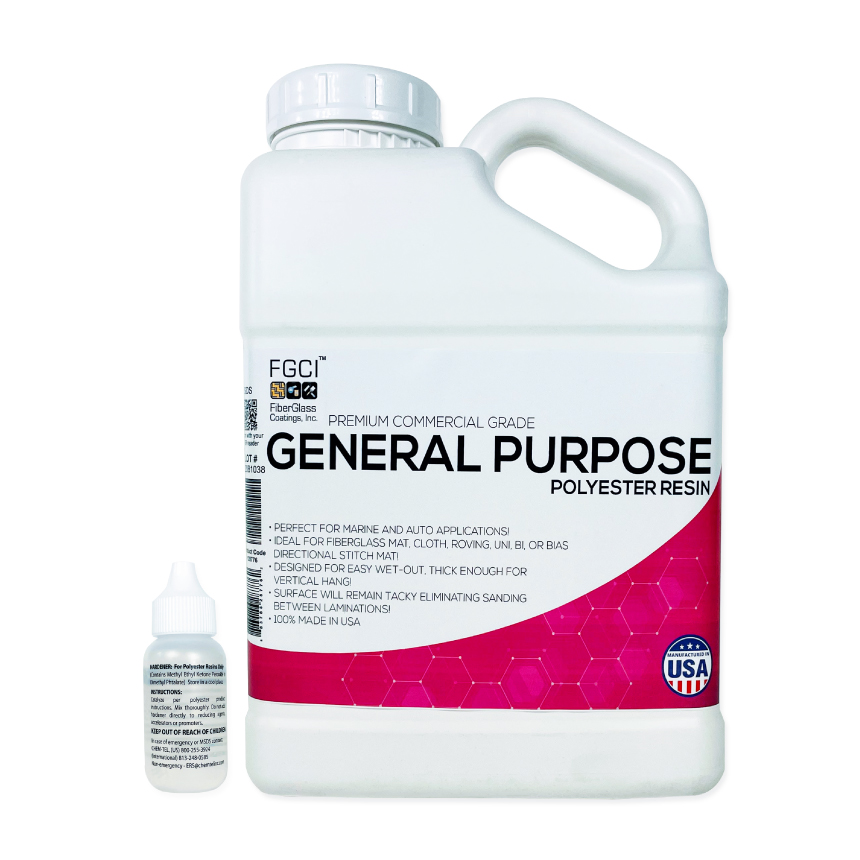
Where to apply: Deck hatches, center consoles, fish boxes, component fabrication, and non-structural dry repairs.
Key Advantage: Most economical resin with rapid wet-out through Chopped Strand Mat (CSM). Allows multi-layer laminating without sanding between passes.
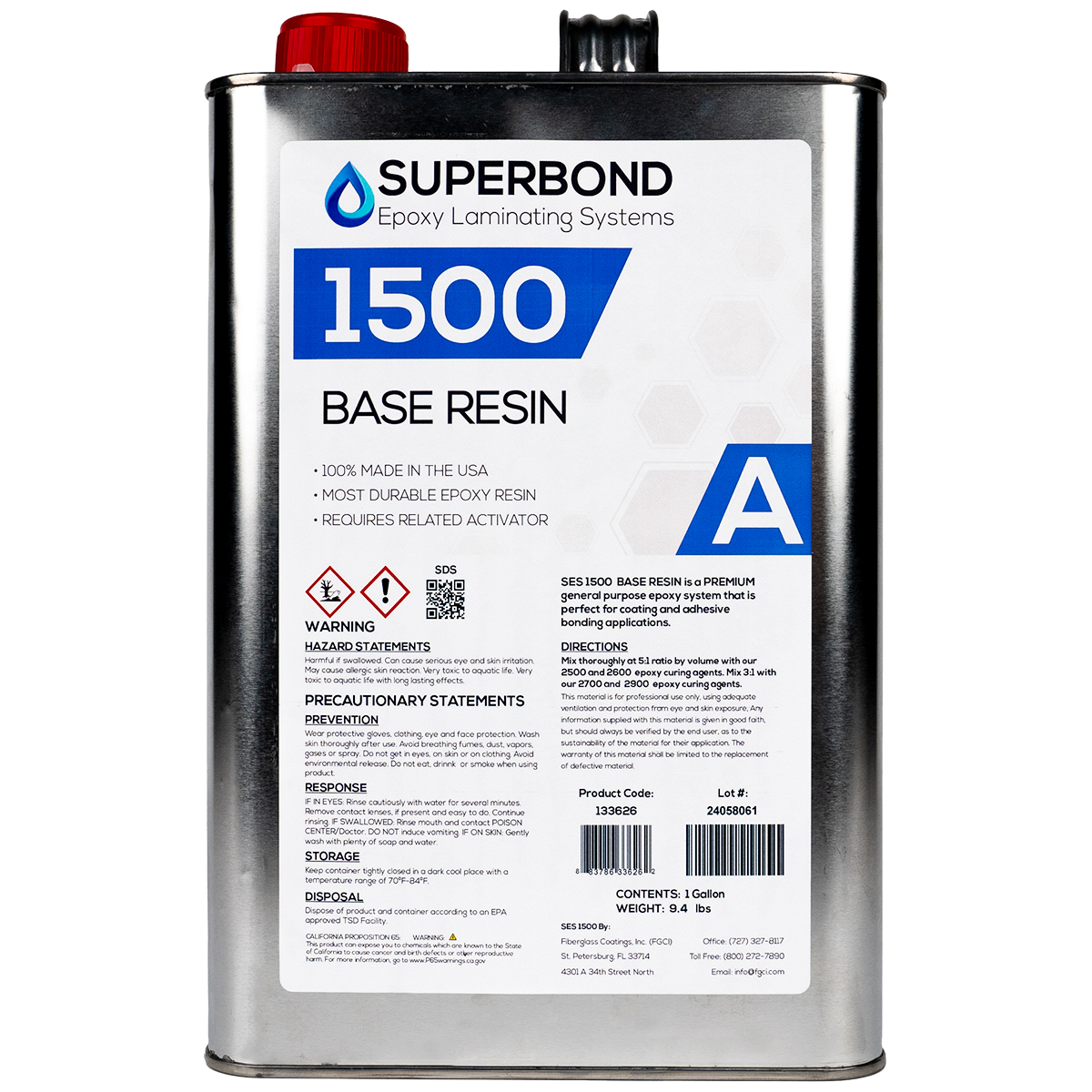
Where to apply: High-load structural bonding of Coosa composite boards, marine plywood, main bulkheads, and aluminum bracket mounting.
Key Advantage: 0% volumetric shrinkage, 100% waterproof barrier, no styrene fumes. The highest mechanical sheer bond available.
Where to apply: Decayed or moisture-damaged wood cores in stringers, transom plywood, and cabin bulkheads.
Key Advantage: Water-thin viscosity deeply penetrates soft decayed wood fibers, solidifying them into an impenetrable, rot-proof epoxy block.